

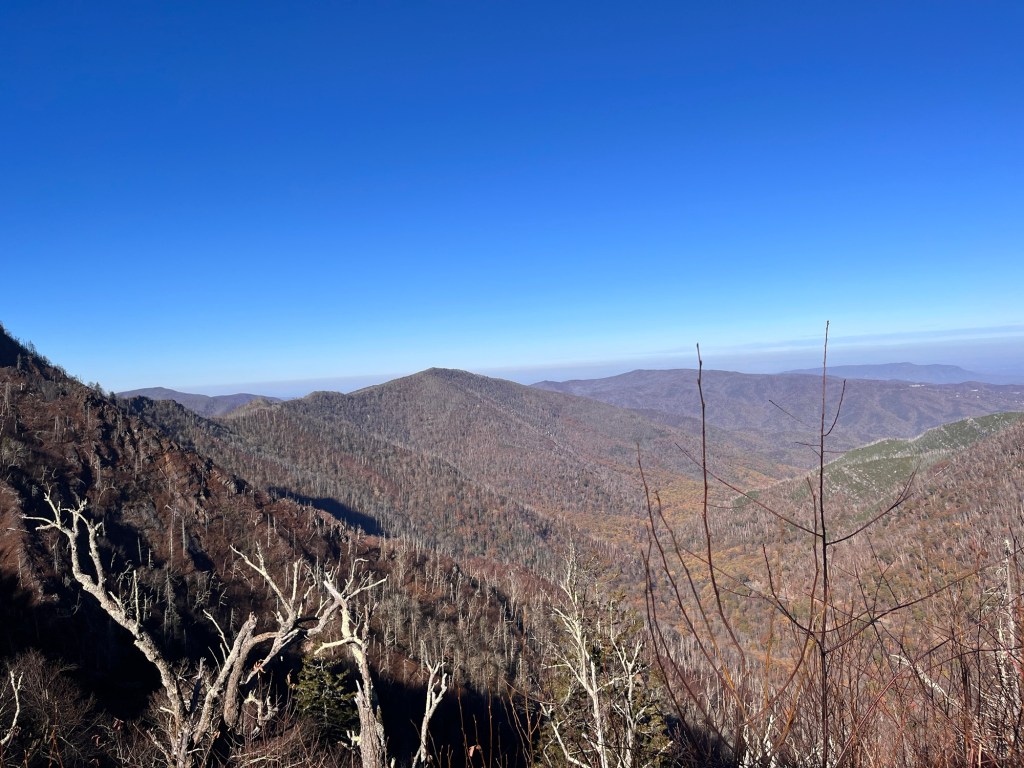
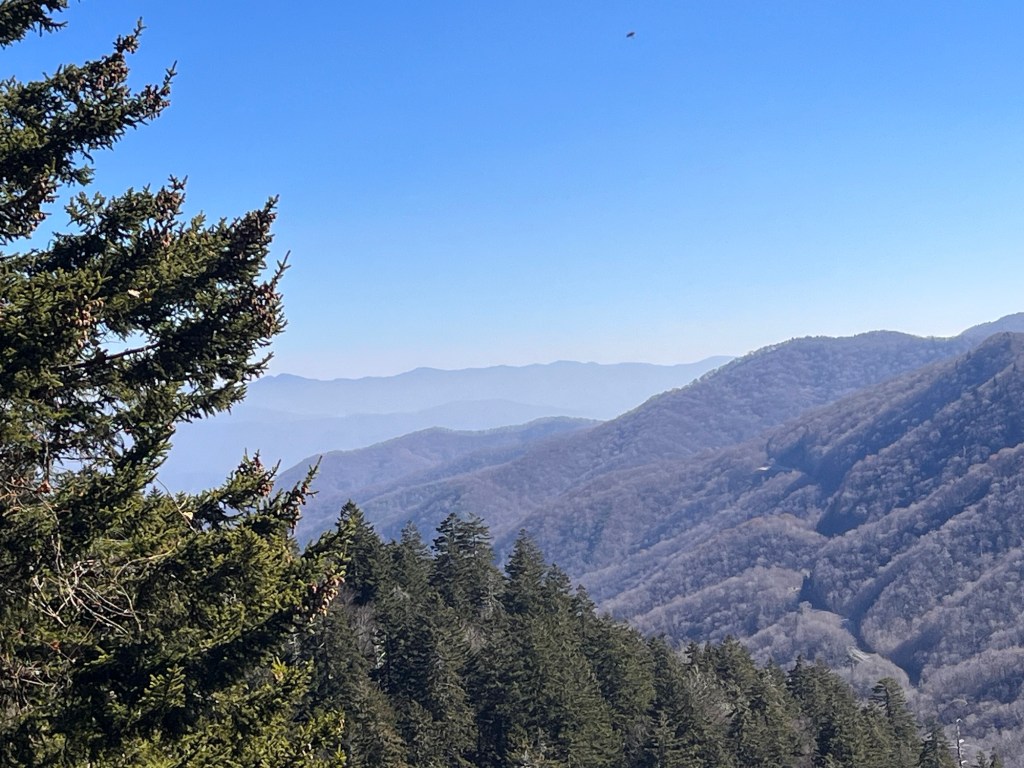
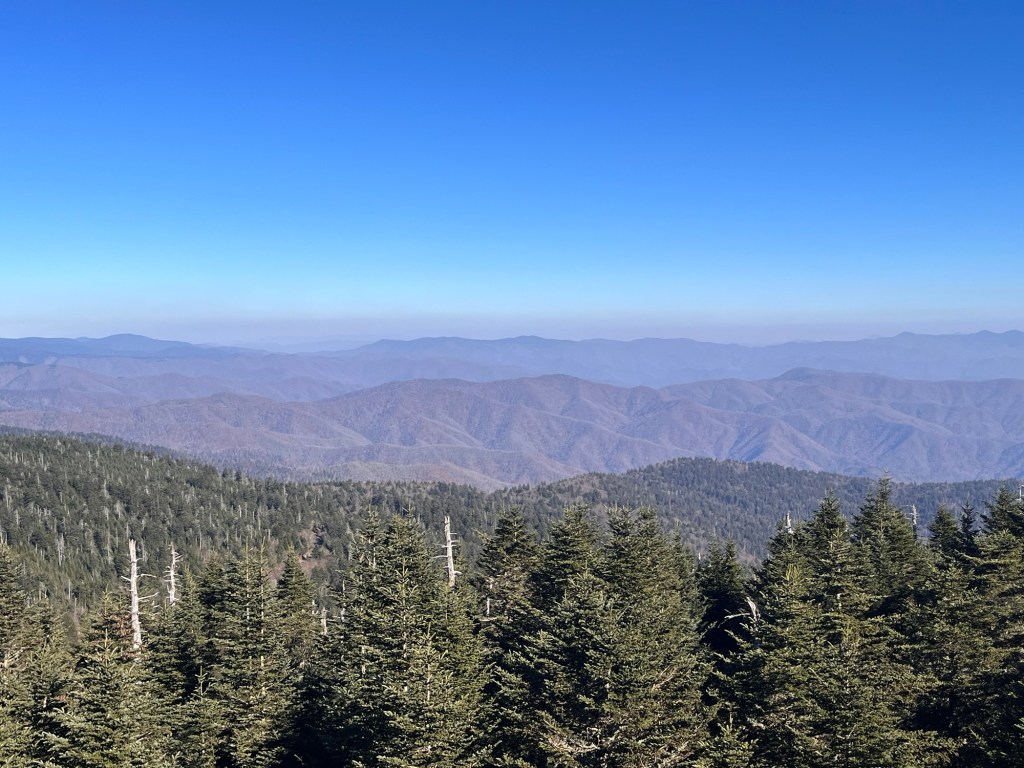
The Smokies got their name from the Cherokee people. They referred to it as “Shaconage.” It is defined as the “place of the blue smoke.” The term comes from the blue mist that floats above the peaks of the mountains.





European settlers came to the mountains in the late 1700s. These early settlers moved onto land that belonged to the Cherokee people. They cut down trees to build homes while clearing the land to feed their animals and plant crops. They also hunted for food, which led to conflict between the two groups, mainly because the settlers invaded a land that did not belong to them.
In the 1830s, many Cherokee were forced to move west because more settlers began relocating onto the land. By the 1900s, the land was primarily controlled by farmers, timber companies, and paper factories. Small communities grew into big towns like Elkmont, Smokemont, Proctor, and Tremont. Over time, the forest was cut down for lumber and paper products. The land of the blue smoke was transforming into a different region as the original inhabitants were thrown out.
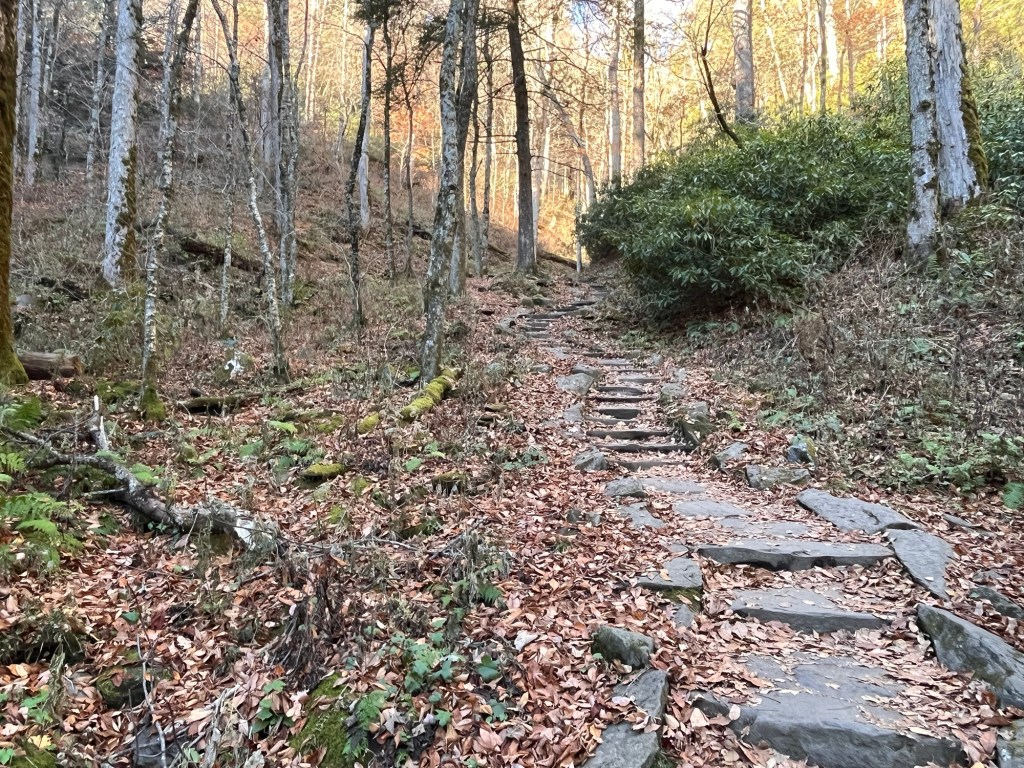


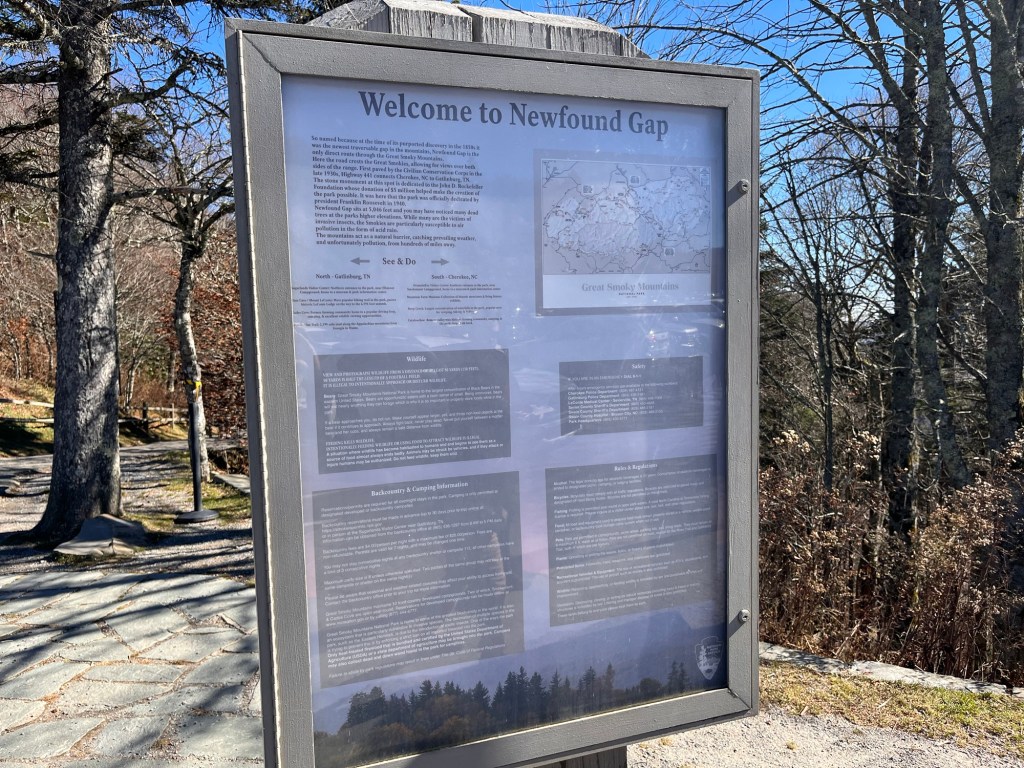
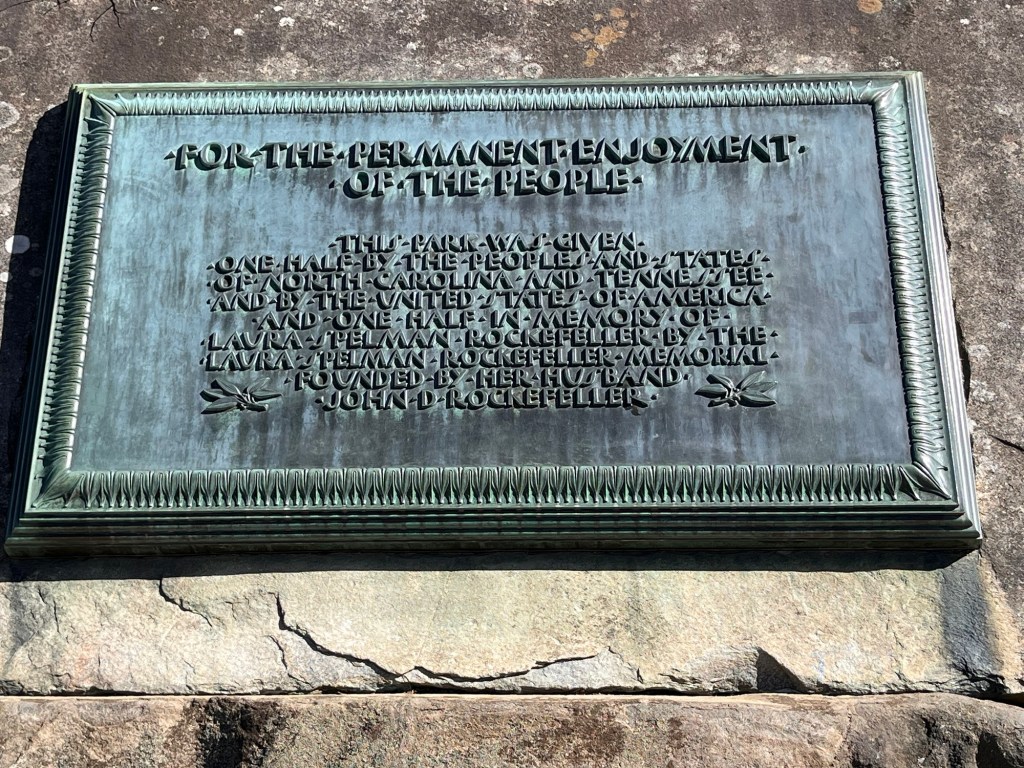
During the 1920s, a growing push toward land conservation was popular. 1926, President Calvin Coolidge signed a bill establishing the Great Smoky Mountain National Park. The goal was to save the forest and wildlife that lived there. The park would include land from two states: Tennessee and North Carolina. In the 1930s, the Civilian Conservation Corps (CCC) worked to get the park ready for visitors. They built roads, bridges, hiking trails, and campgrounds.


In 2023, the park created its “Black Voices of Appalachia Oral History Project,” showcasing interviews from 2018 to 2023. Great Smoky Mountain employees conducted oral histories focusing on the experiences of African Americans in the park and region. Each African American interviewee shared their stories about the history of Black folks in Appalachia.
The story of Daniel “The Blackalachian” White is intriguing, and I think everyone should read it, along with other accounts of other black citizens.
–Person accounts of the On Location Series #46
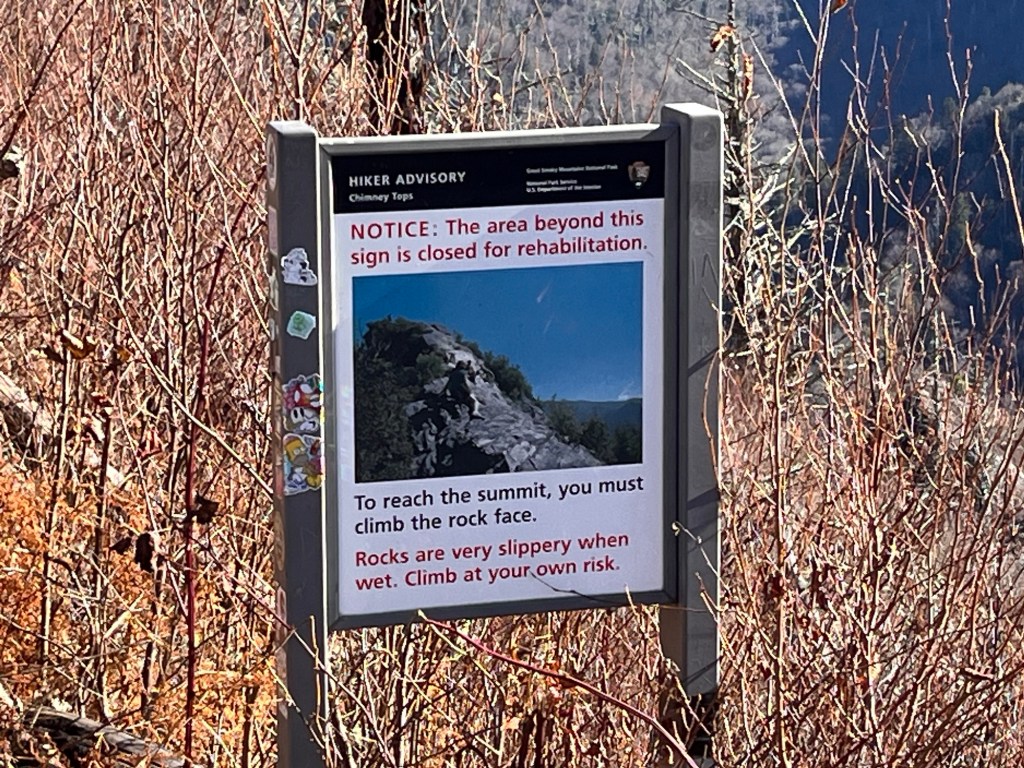
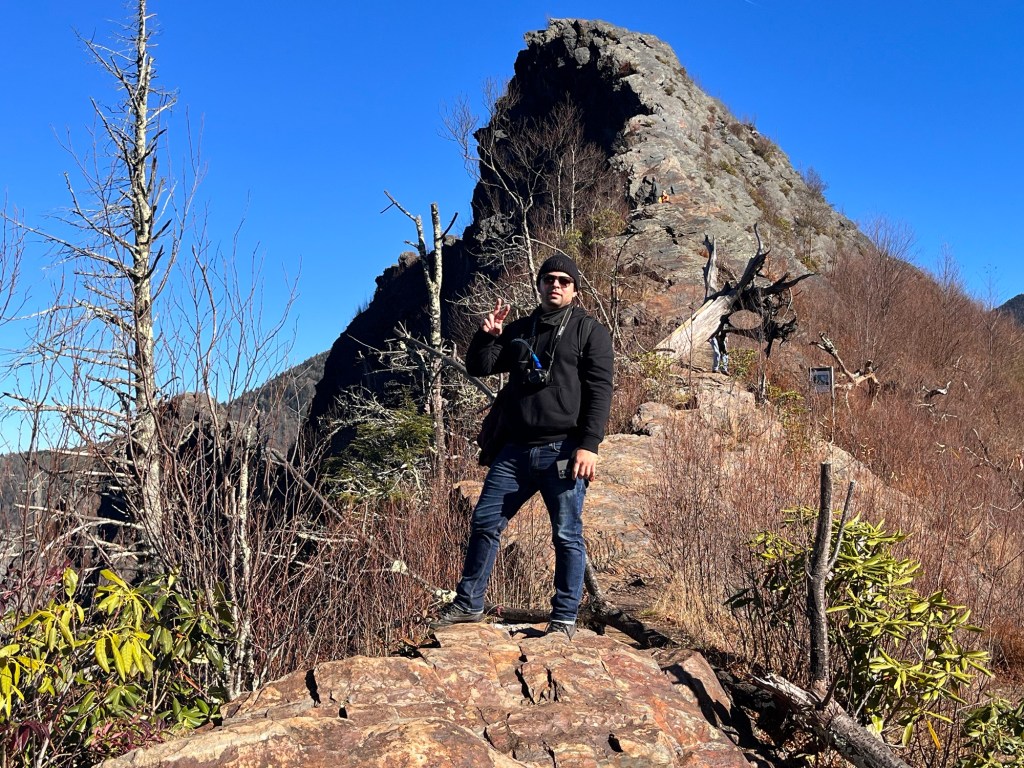
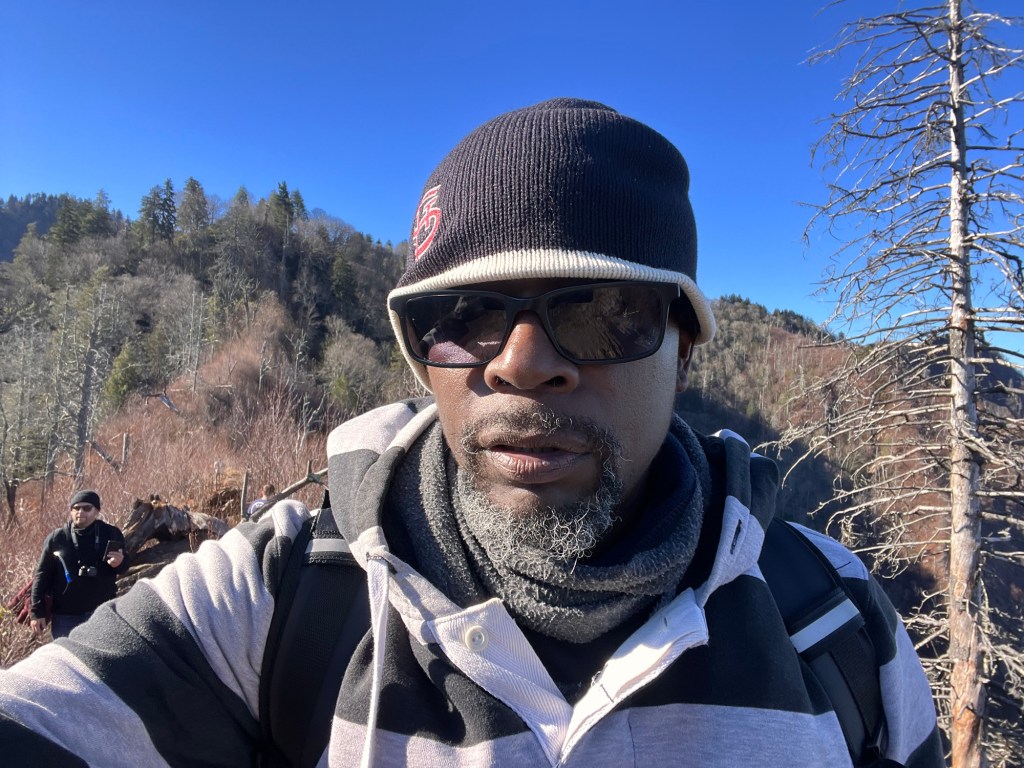
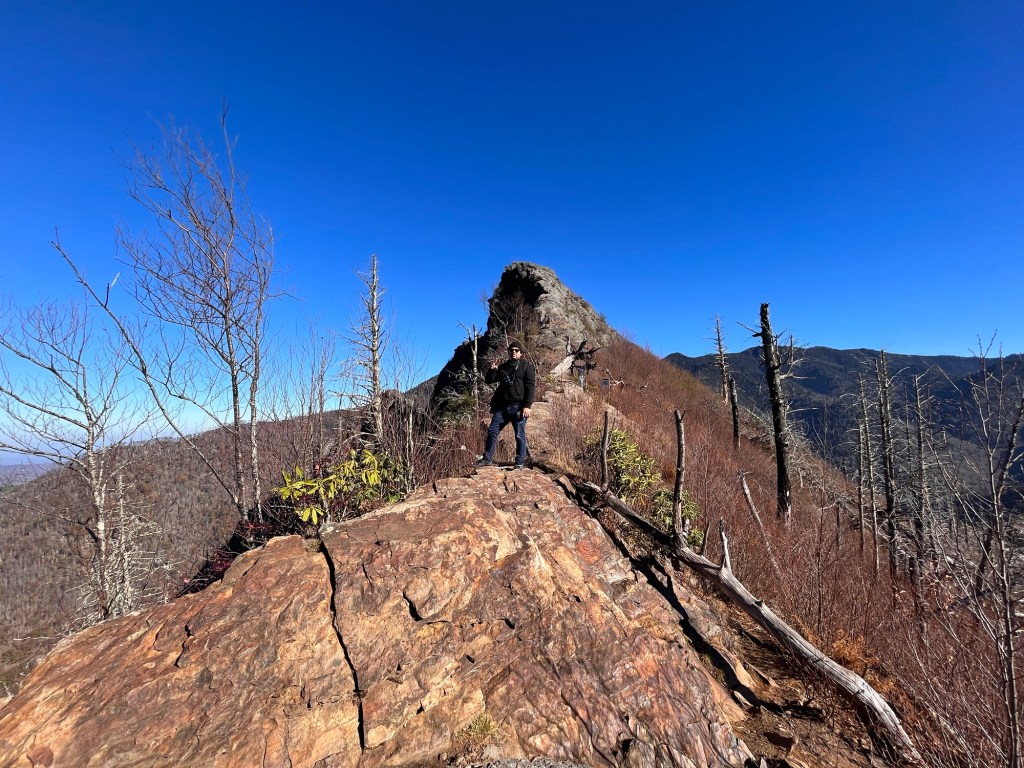
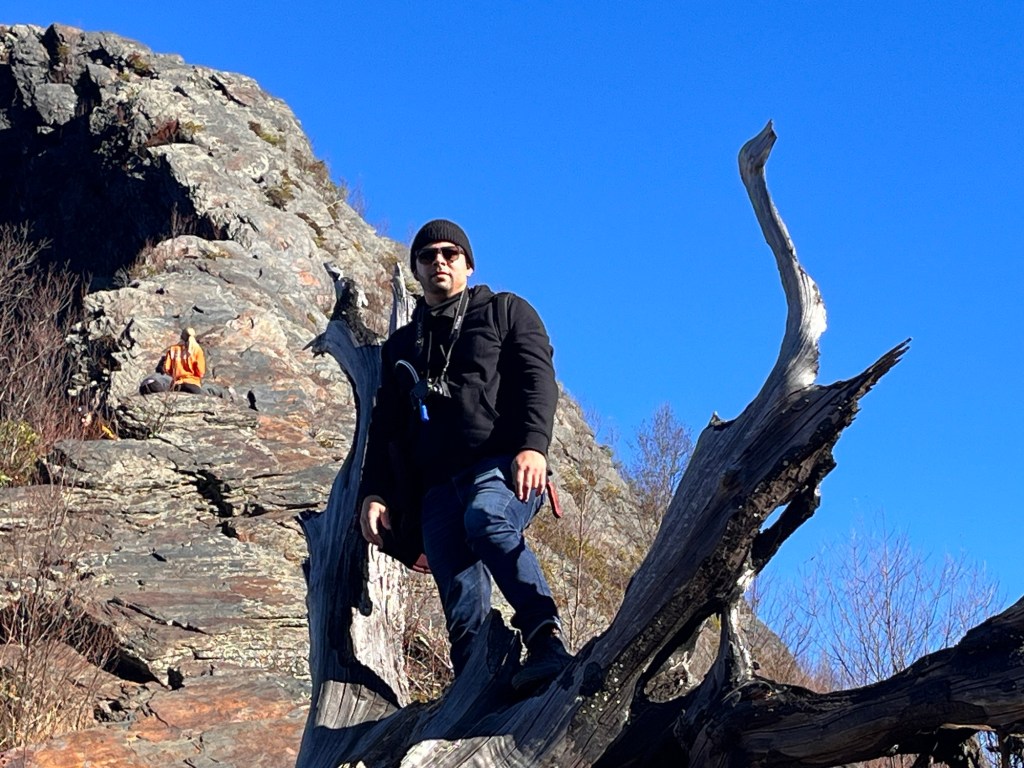
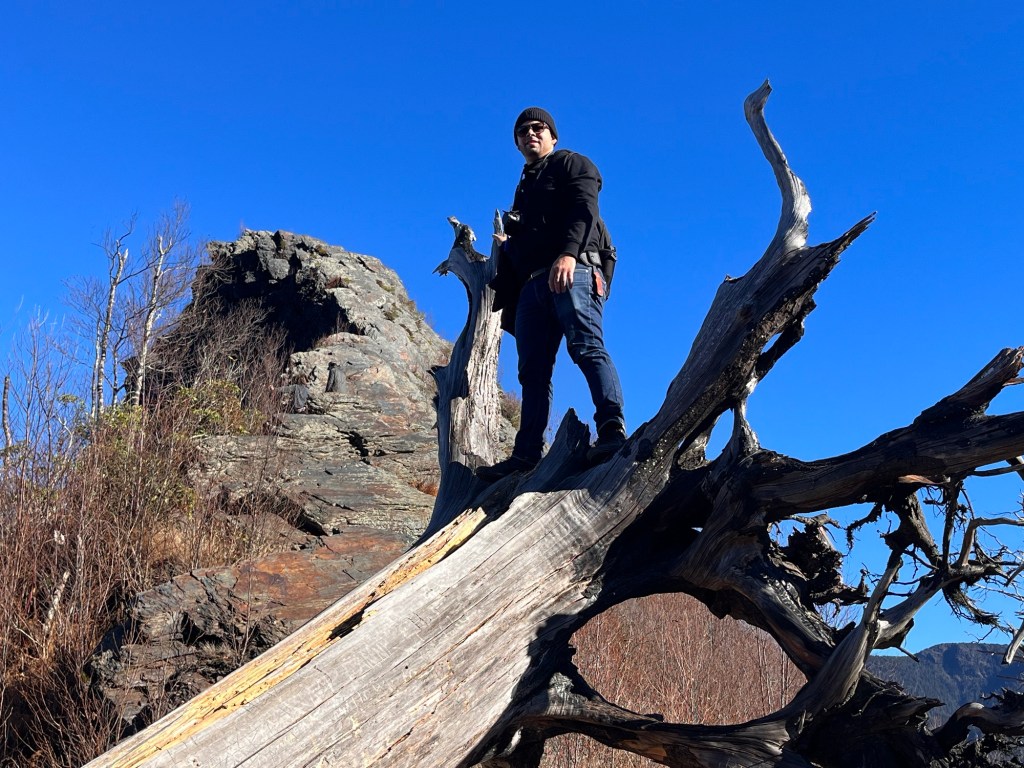
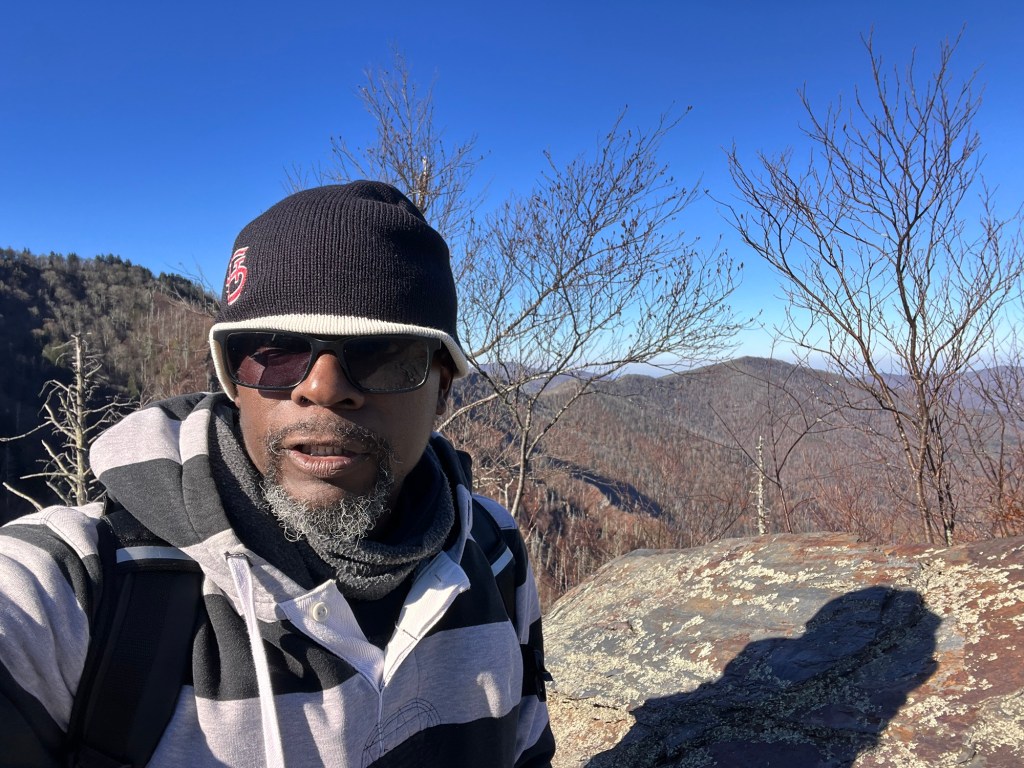
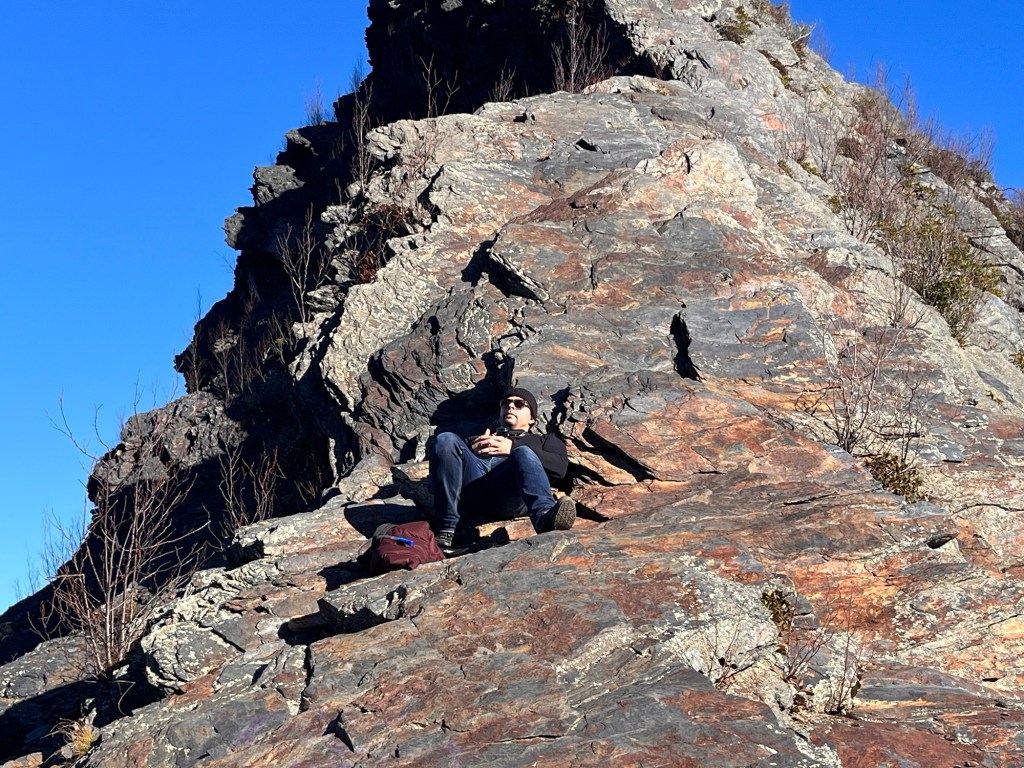
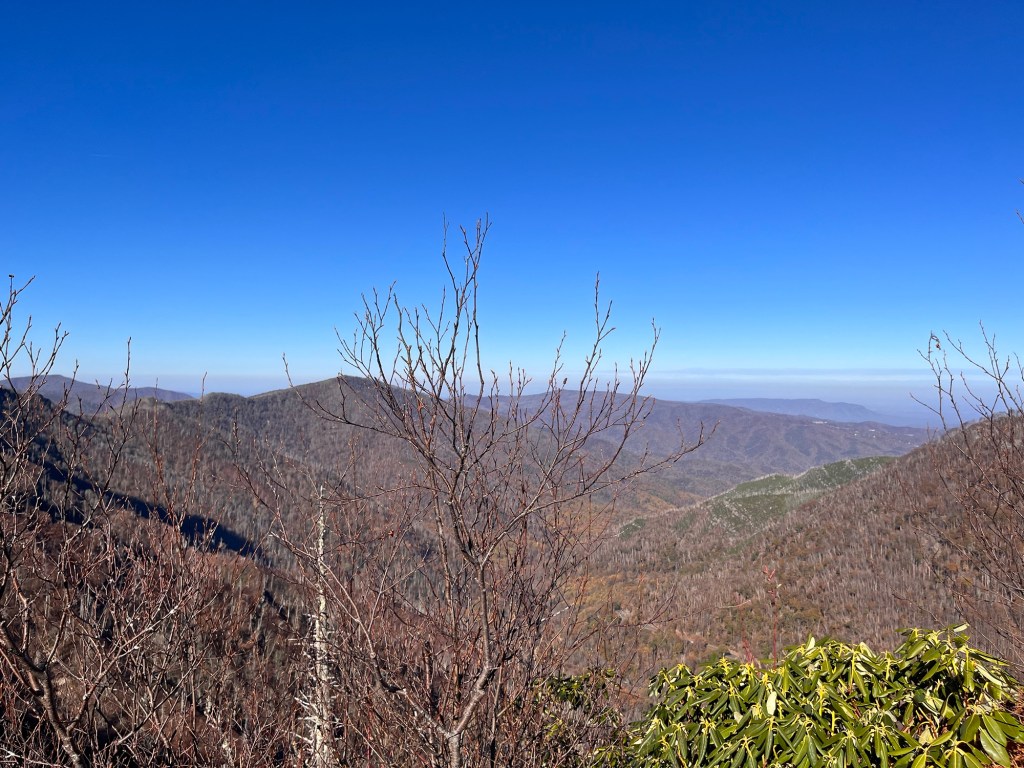
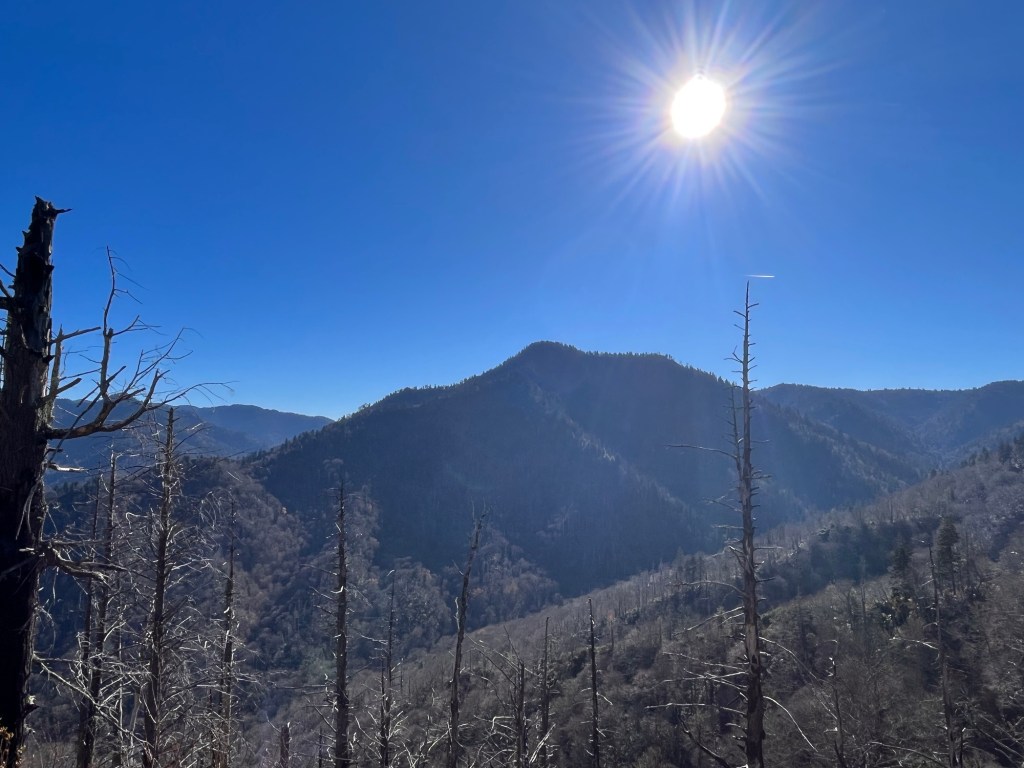
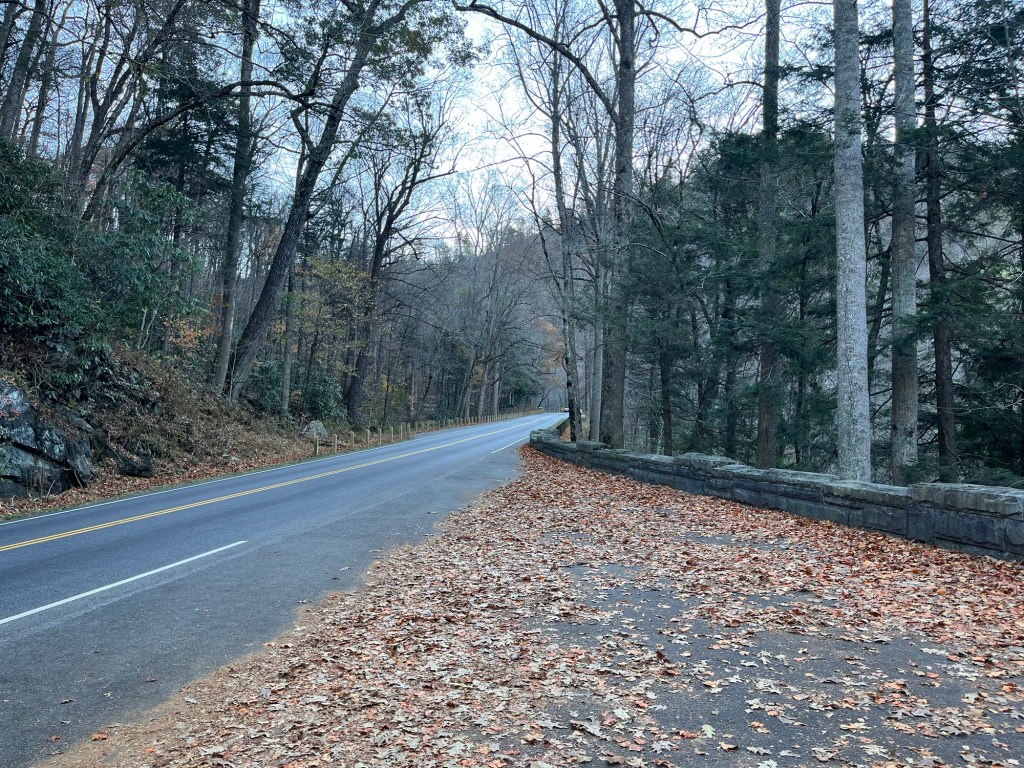
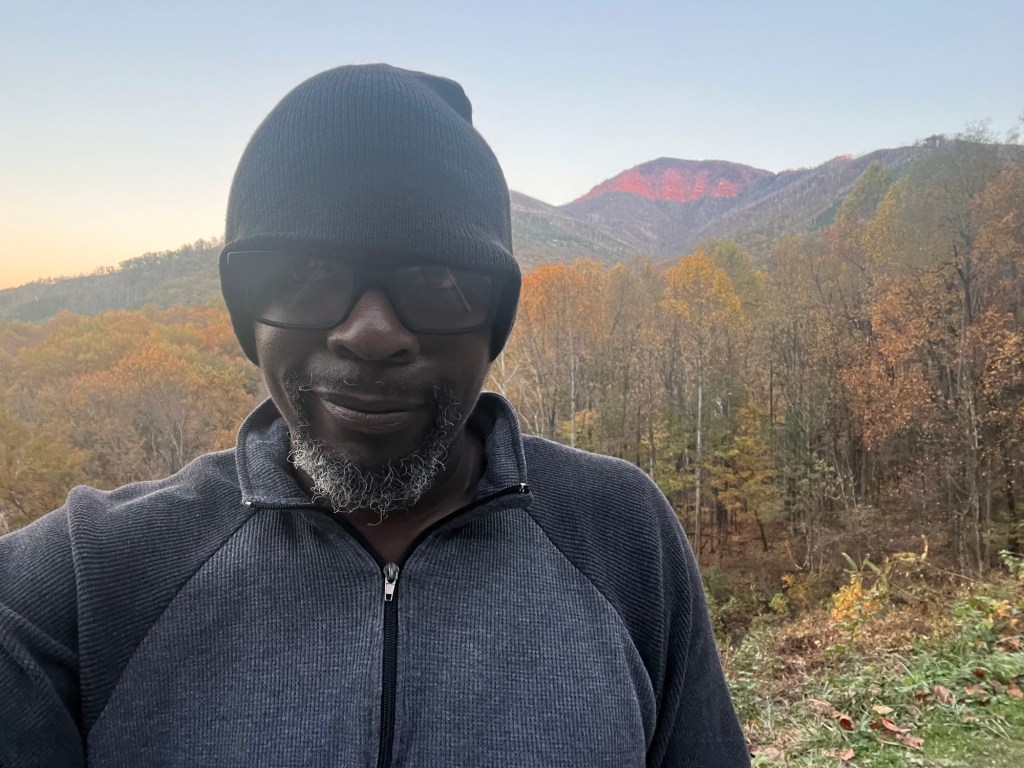
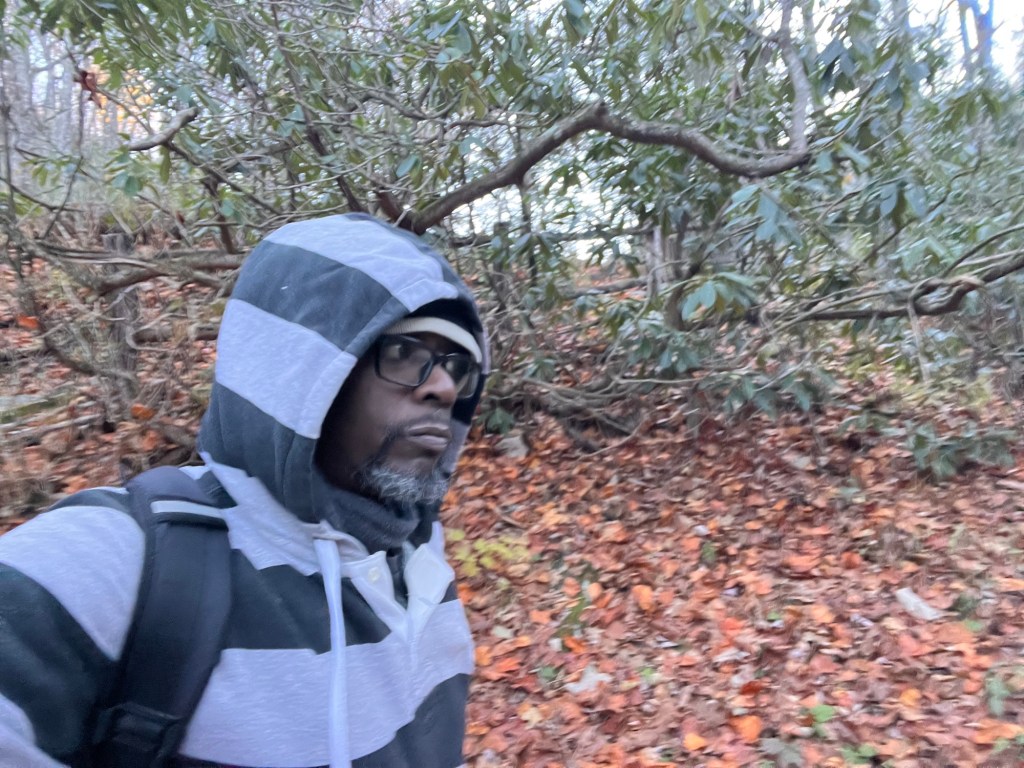
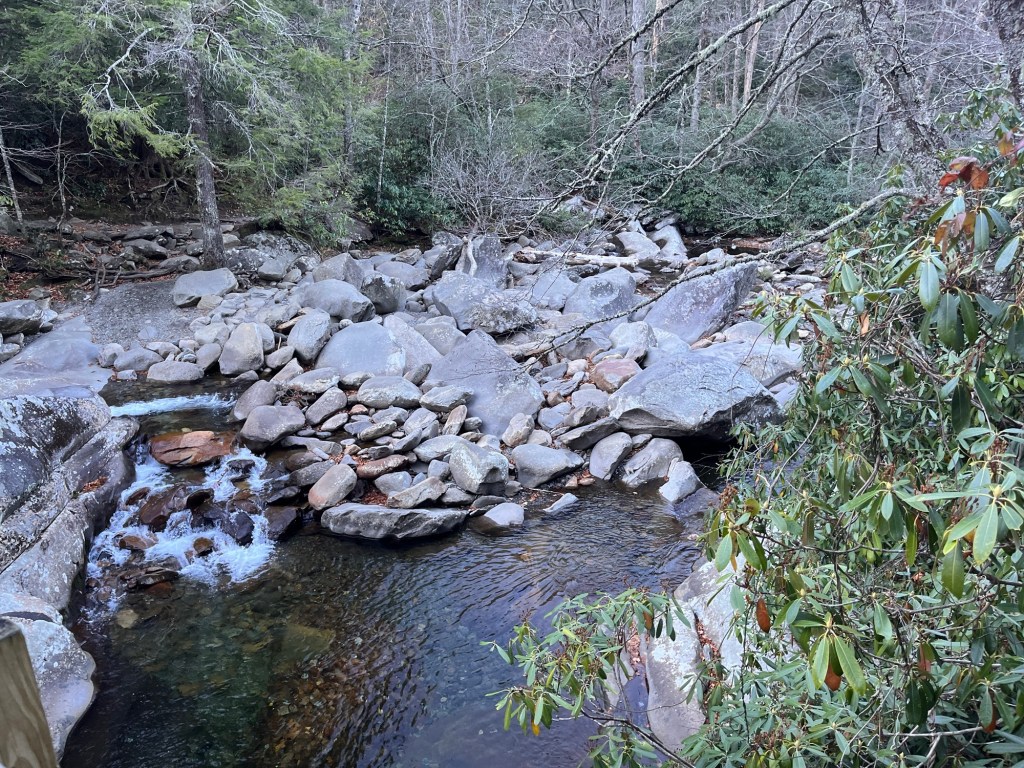
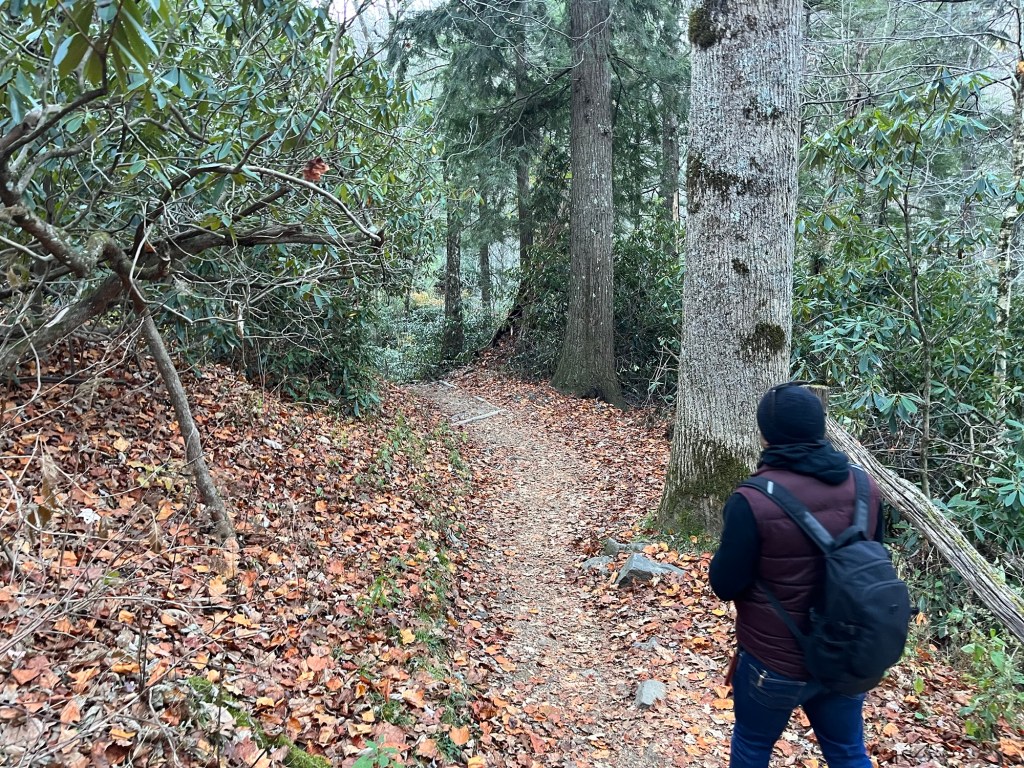
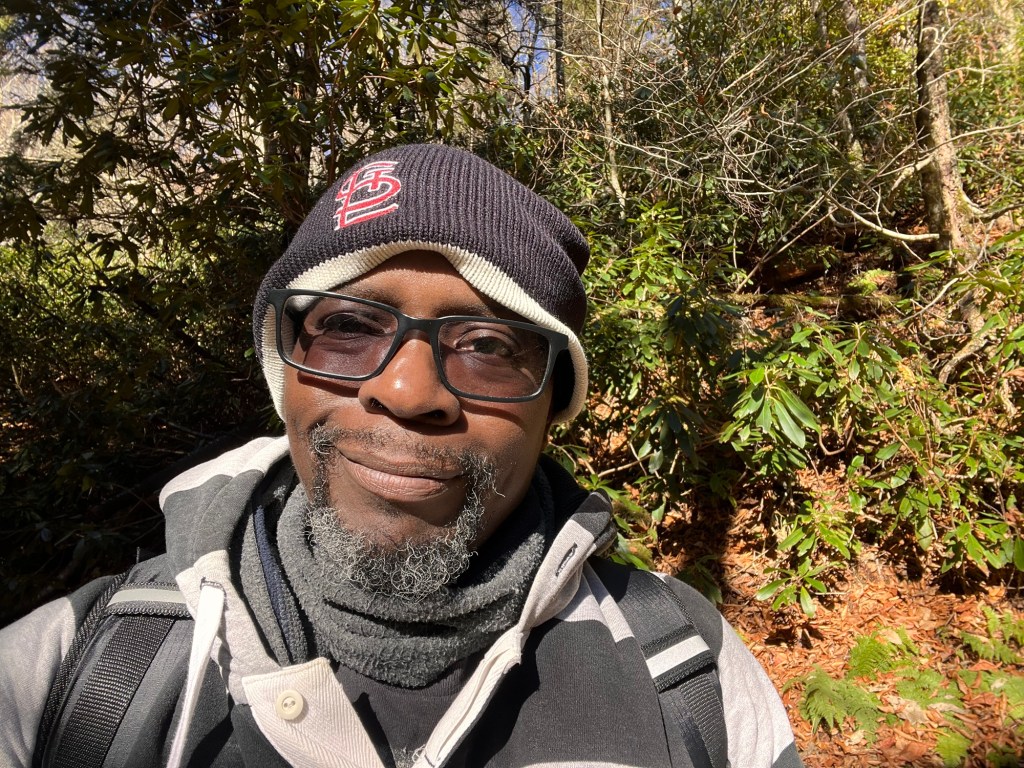
Gatlinburg, Tennessee—November 3rd-4th, my friend Angel and I explored a good deal of the Great Smoky Mountain National Park. Both days had decent weather for us, not too hot and cold, and did not have too much of a presence. The uncommon warmest of the weekends caused the population of visitors to grow mainly as the town of Gatlinburg was a resort town. I am glad to admit partaking in the restaurants that were famous for pancakes was indeed a nice bonus.
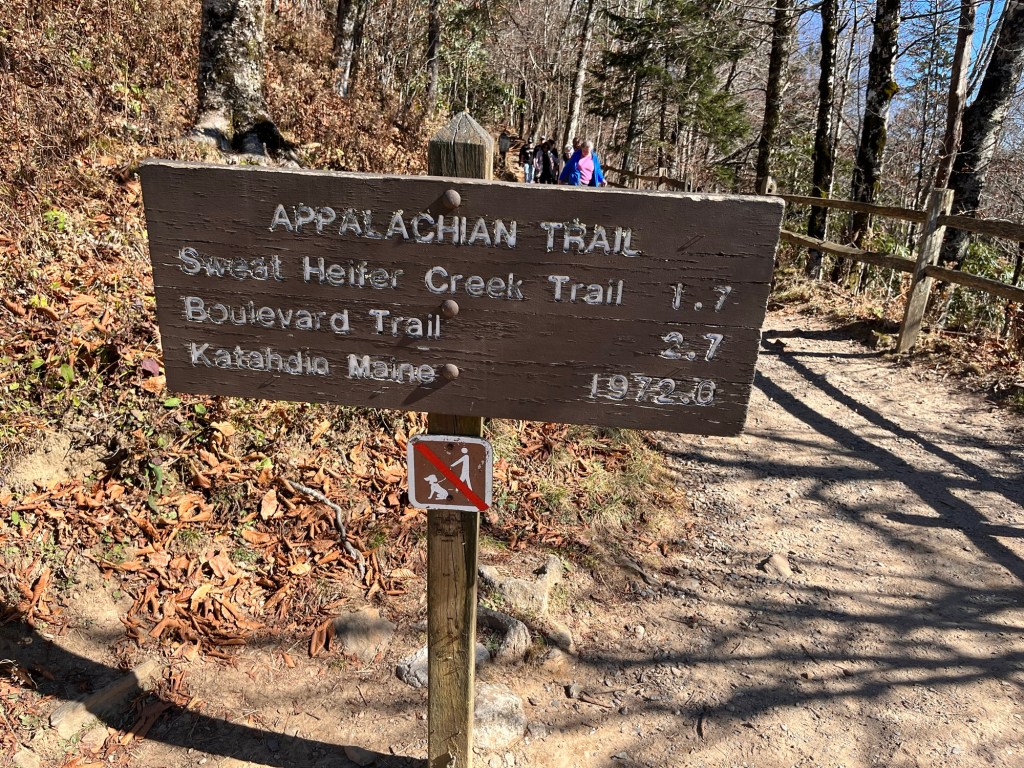
The majority of our trek was exploring the Appalachian trail that consists of pathways such as—
*Sweet Heifer Creek trail
*Boulevard trail
*Katehdio Maine
To name a few…
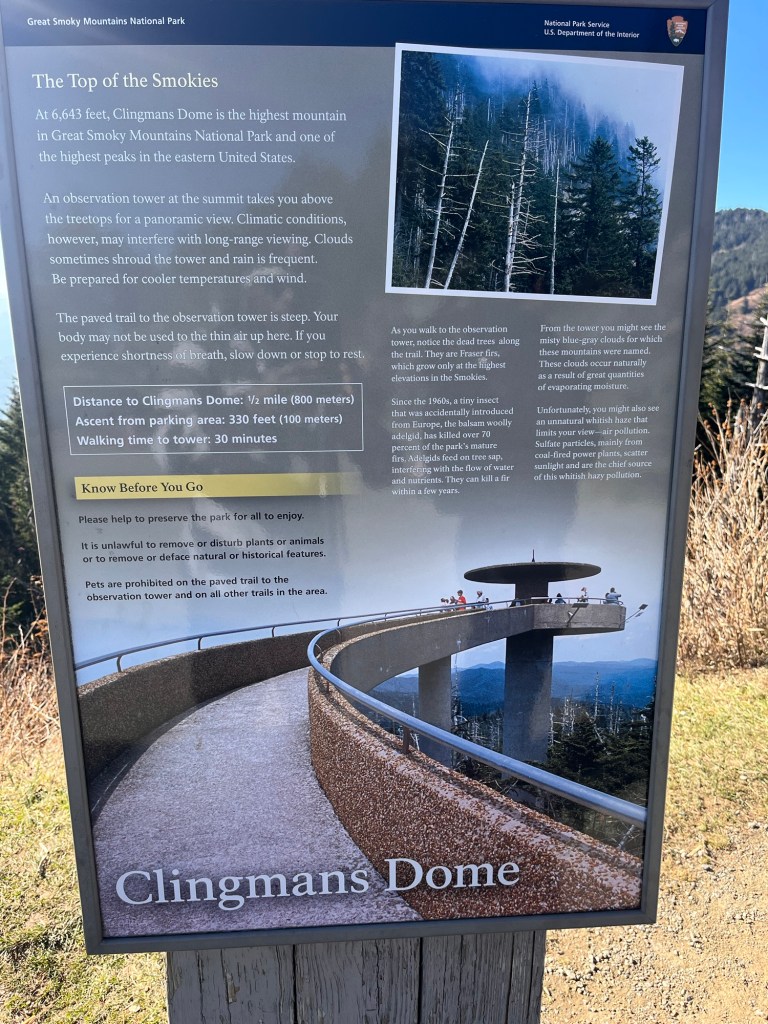
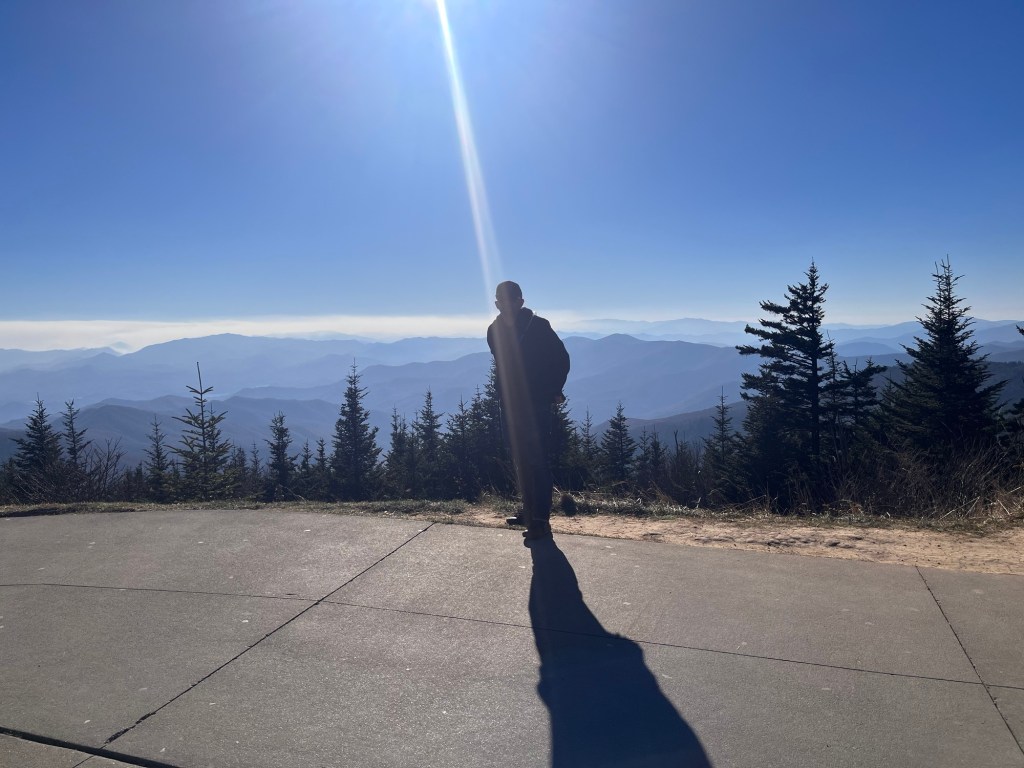


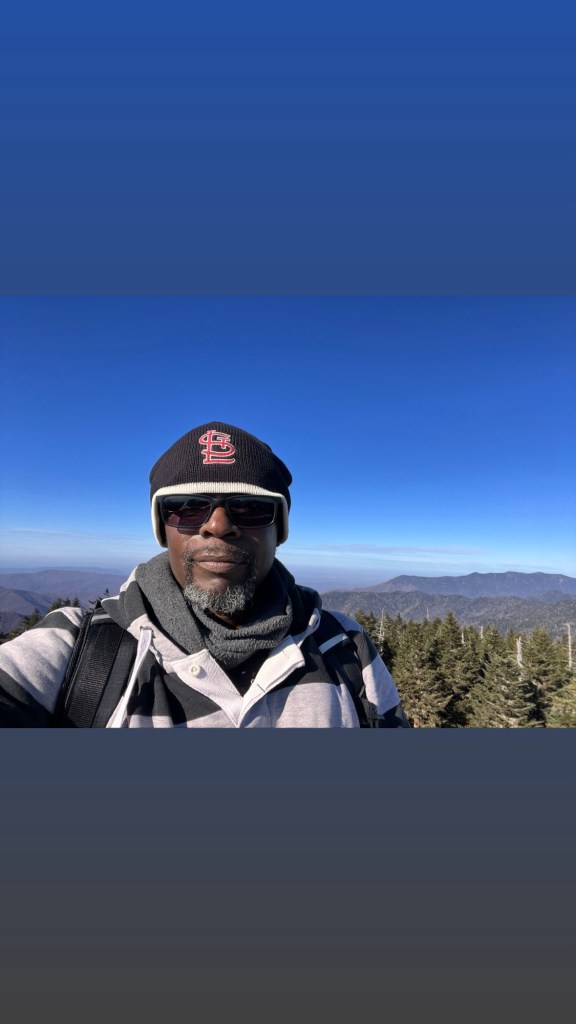


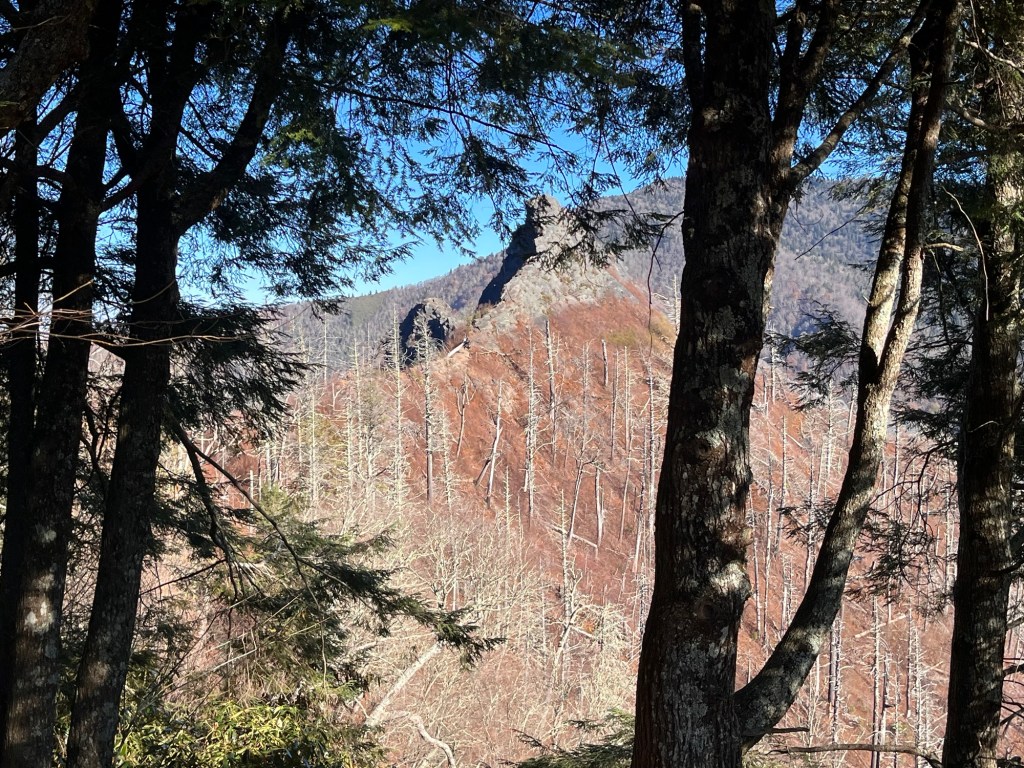
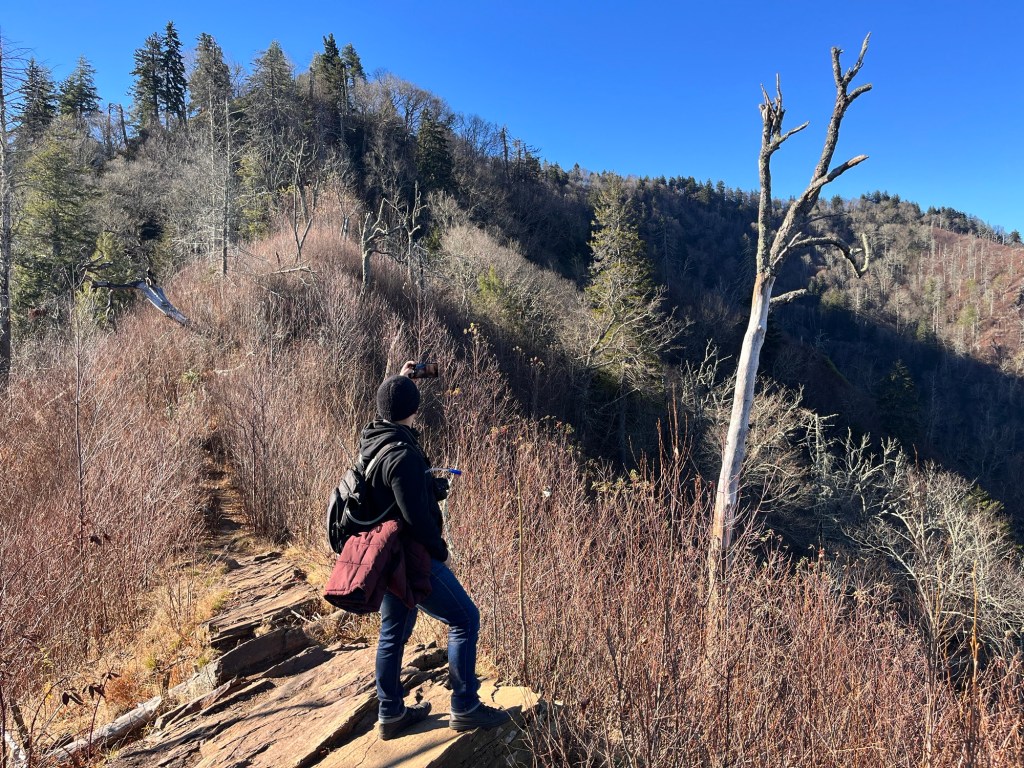
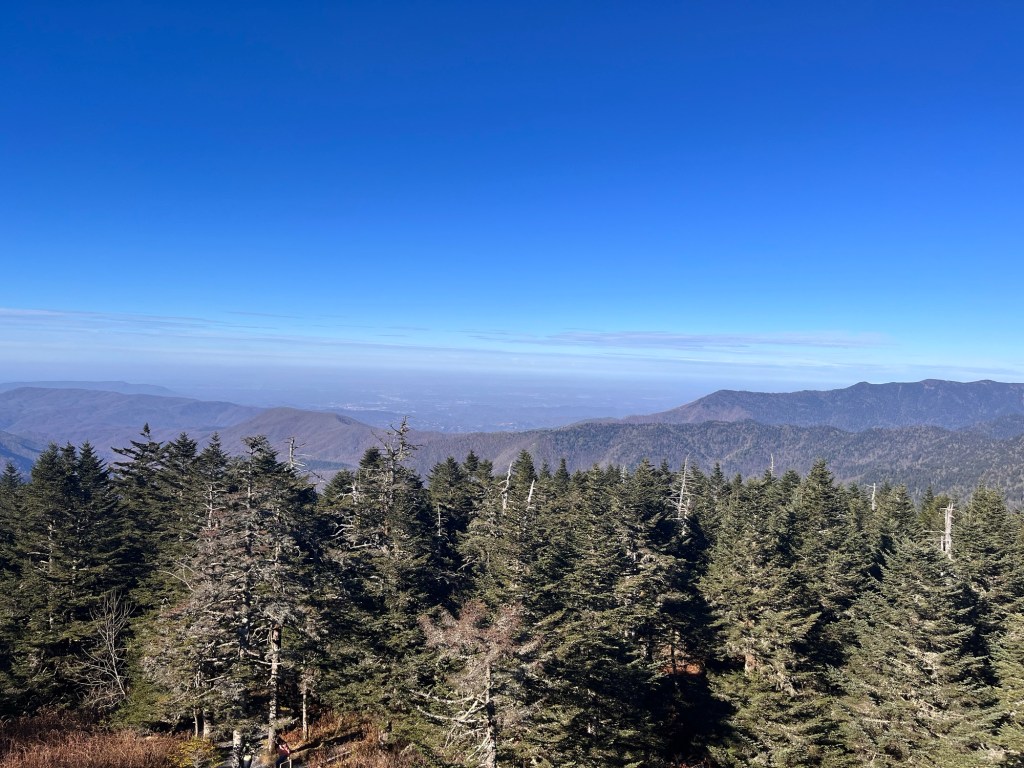
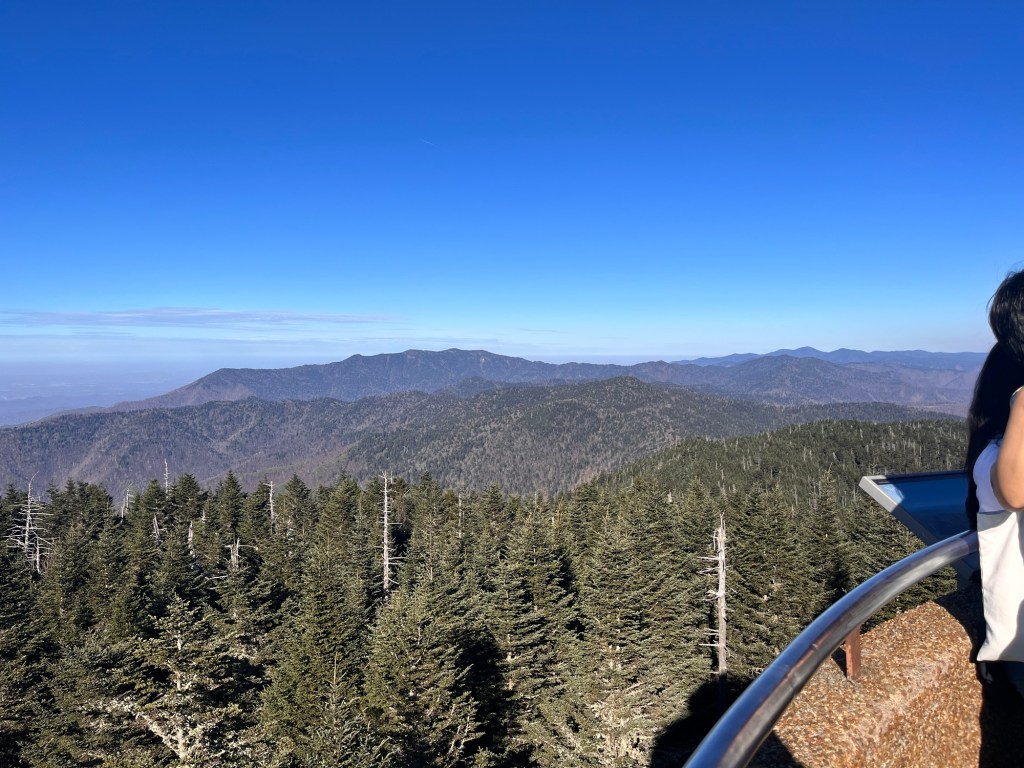
We climbed a peak near the top of one of the highest overlooks in the park. I, however, only made it halfway while Angel’s heart did not fail him. He reached the top and spoke to another hiker from upper New York. I stayed at the midway point and took pictures and videos.
I was happy with what I had done, and that was enough for me.
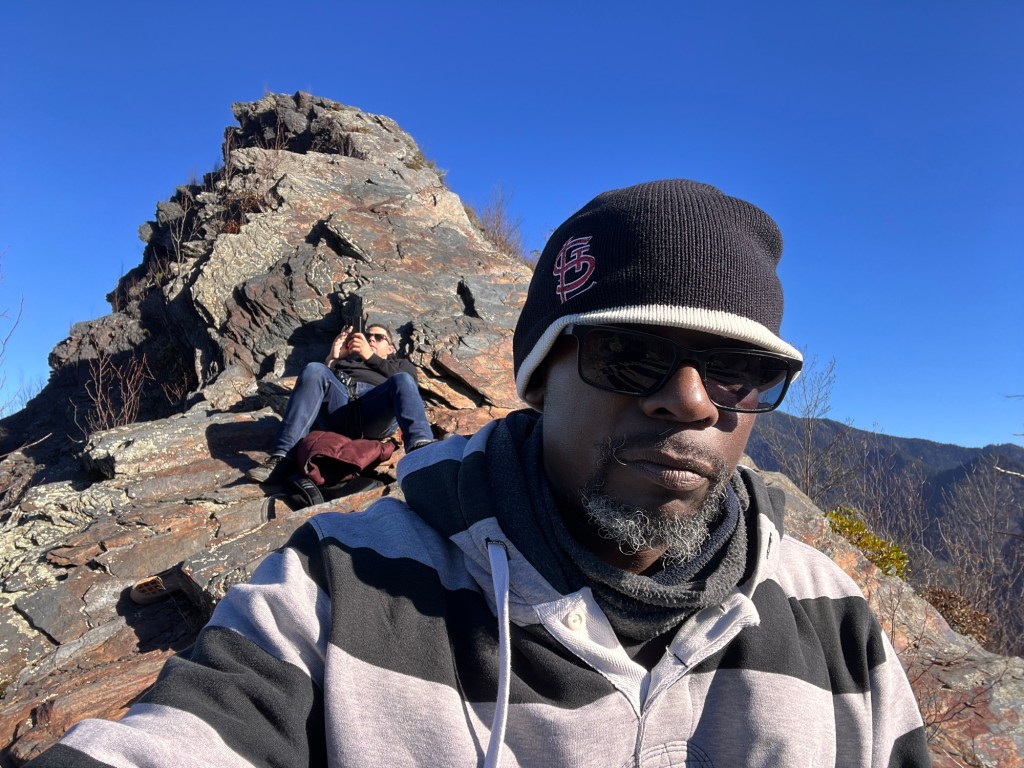
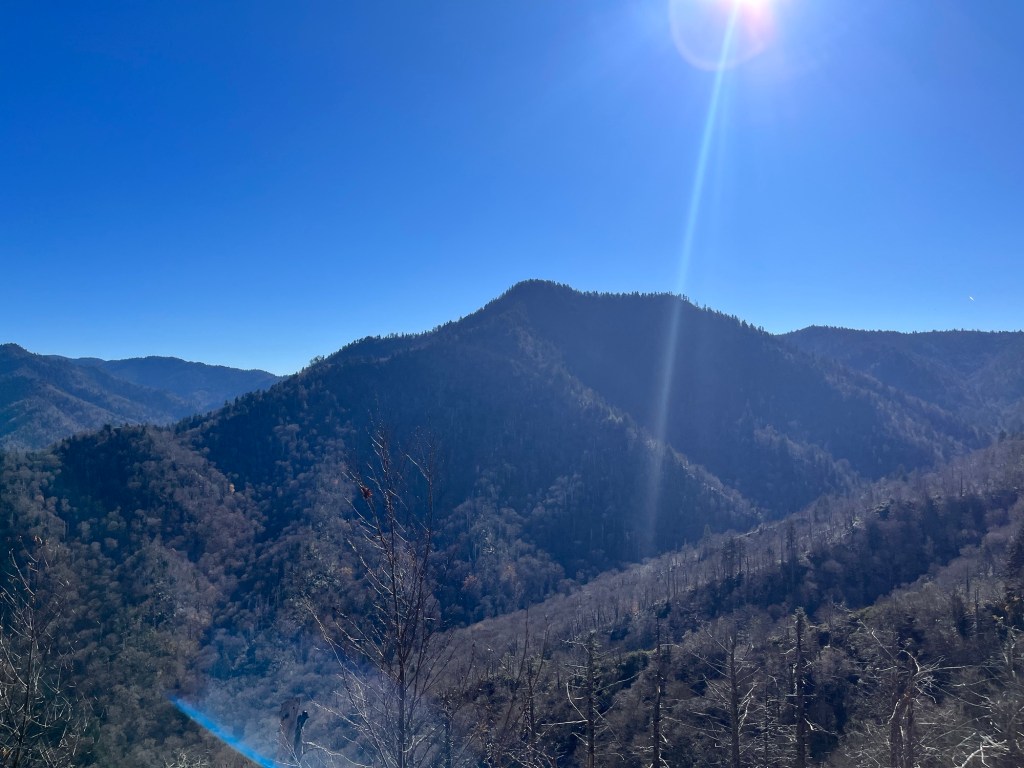
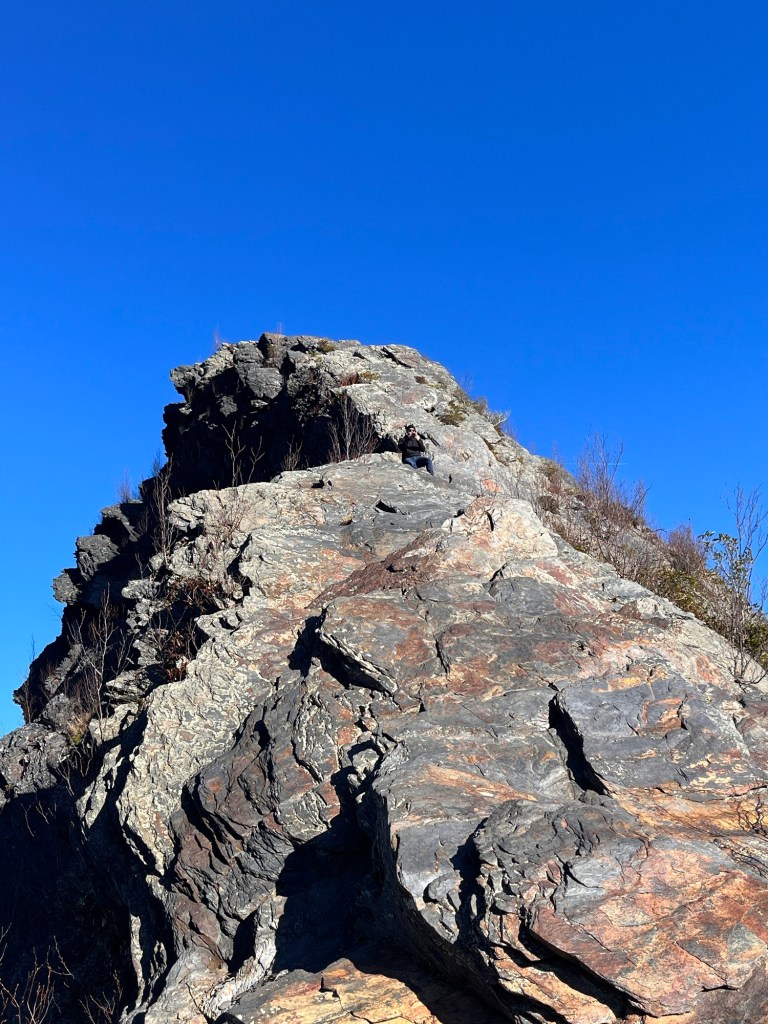
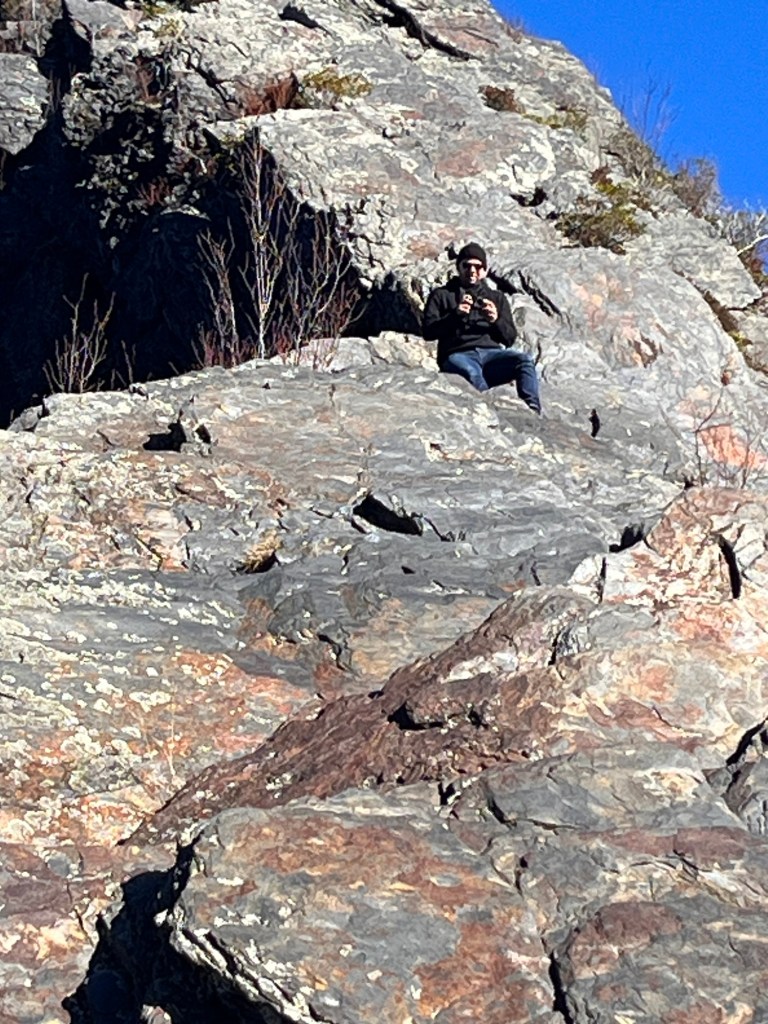
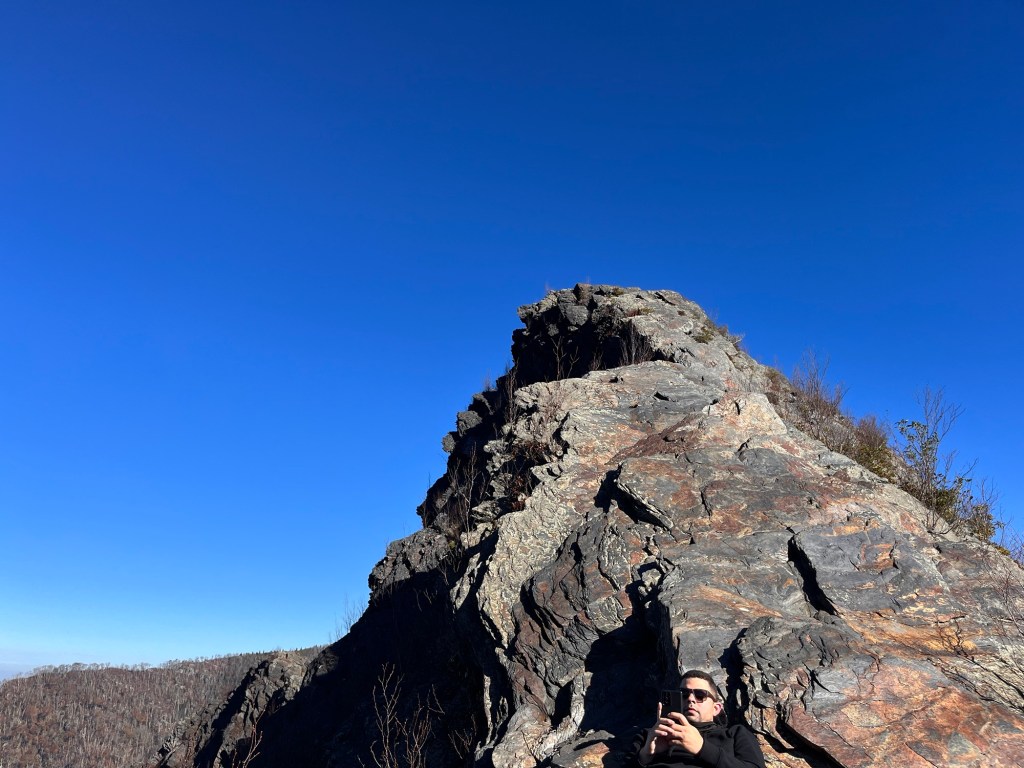
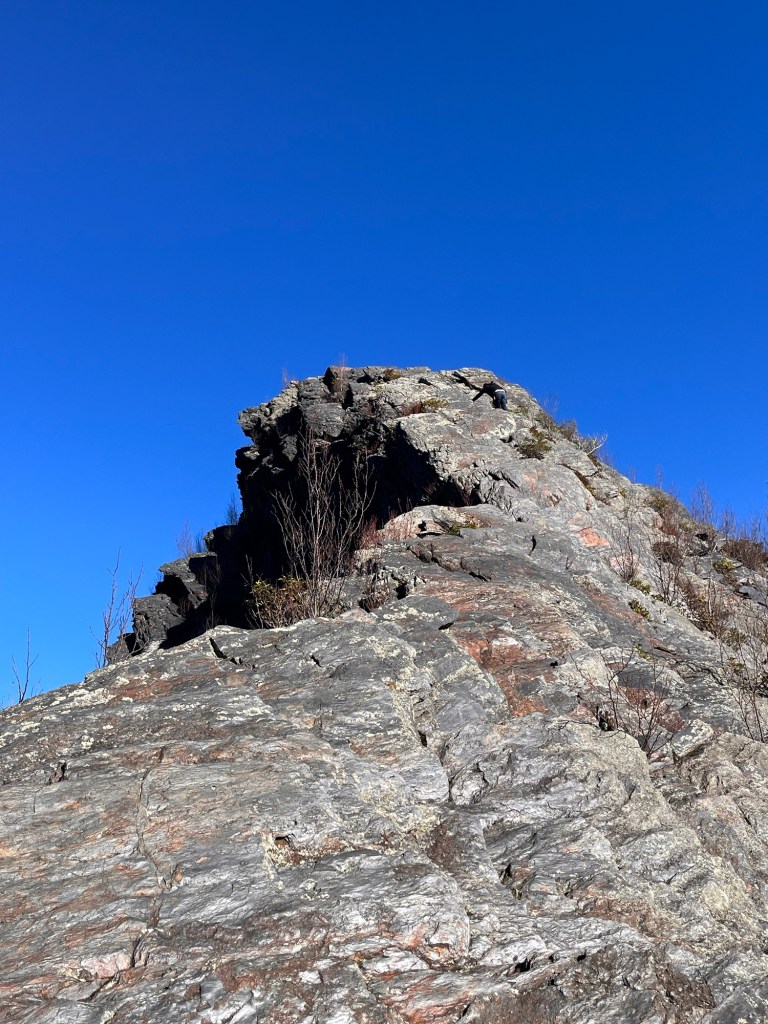

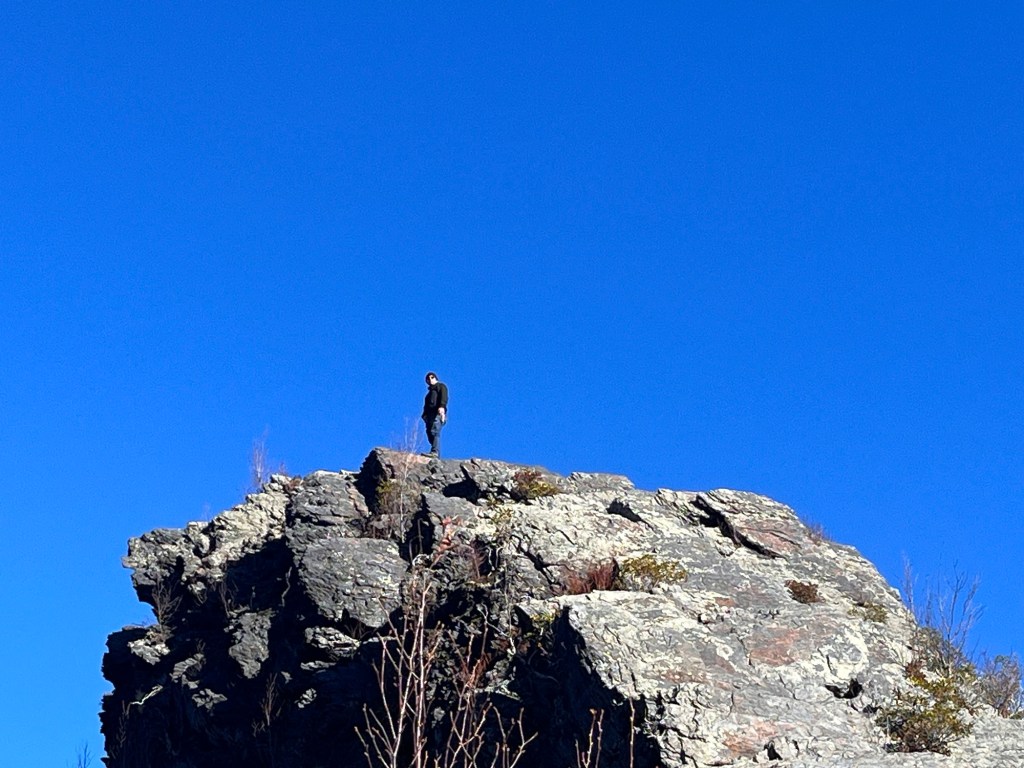

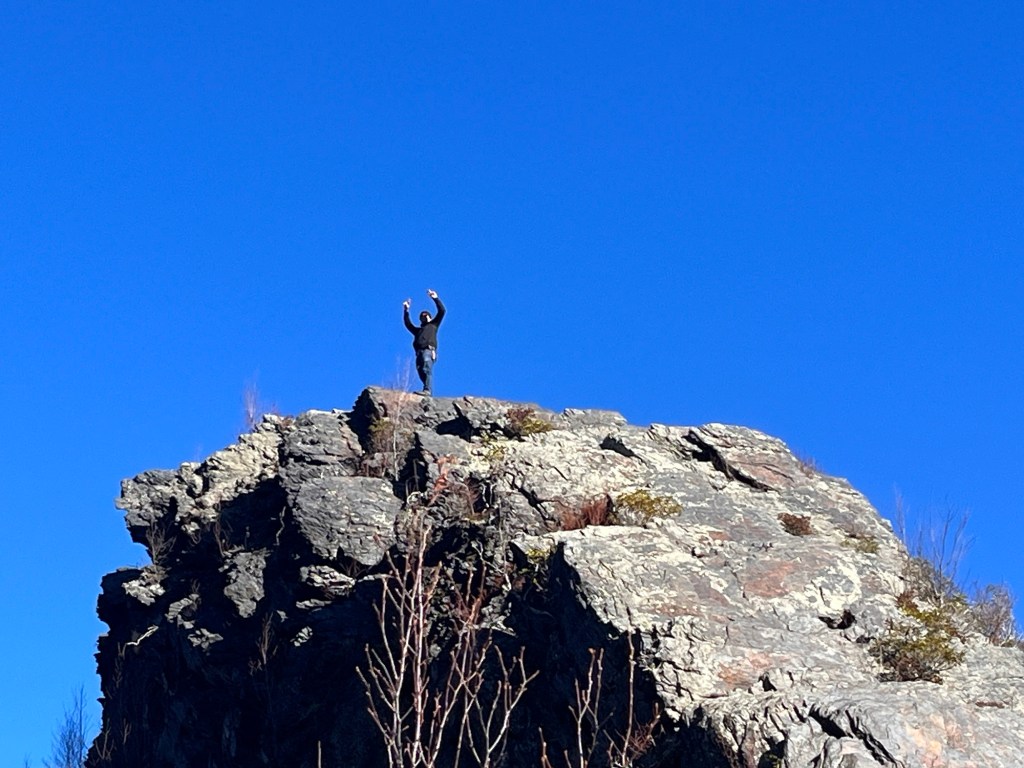
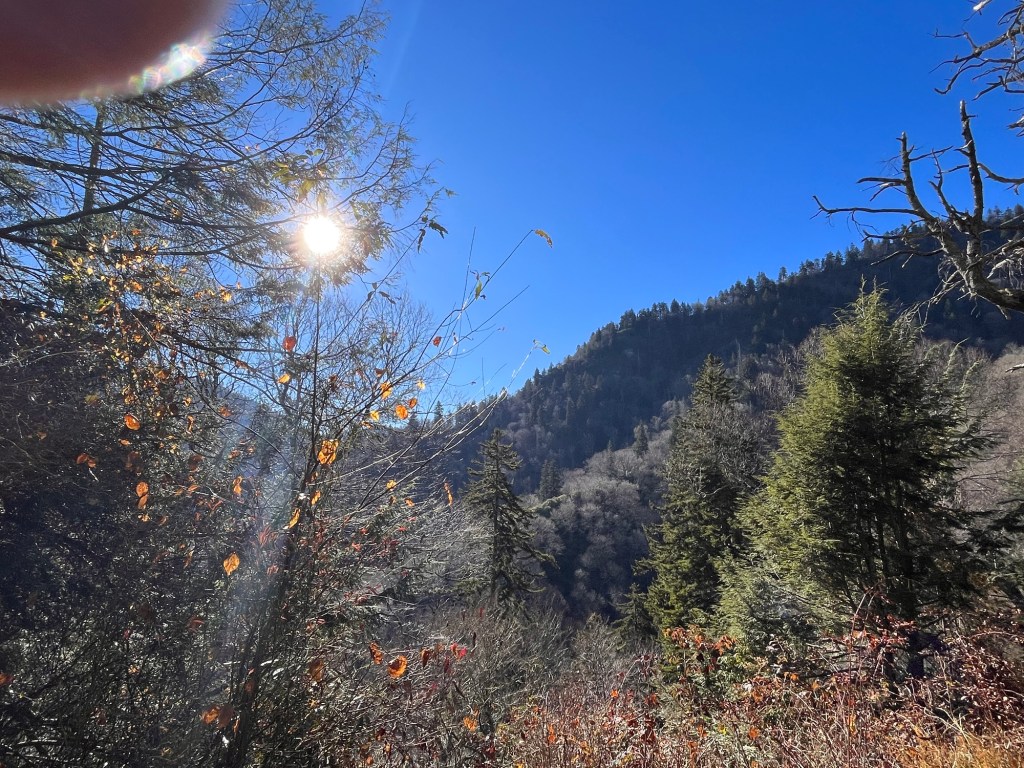
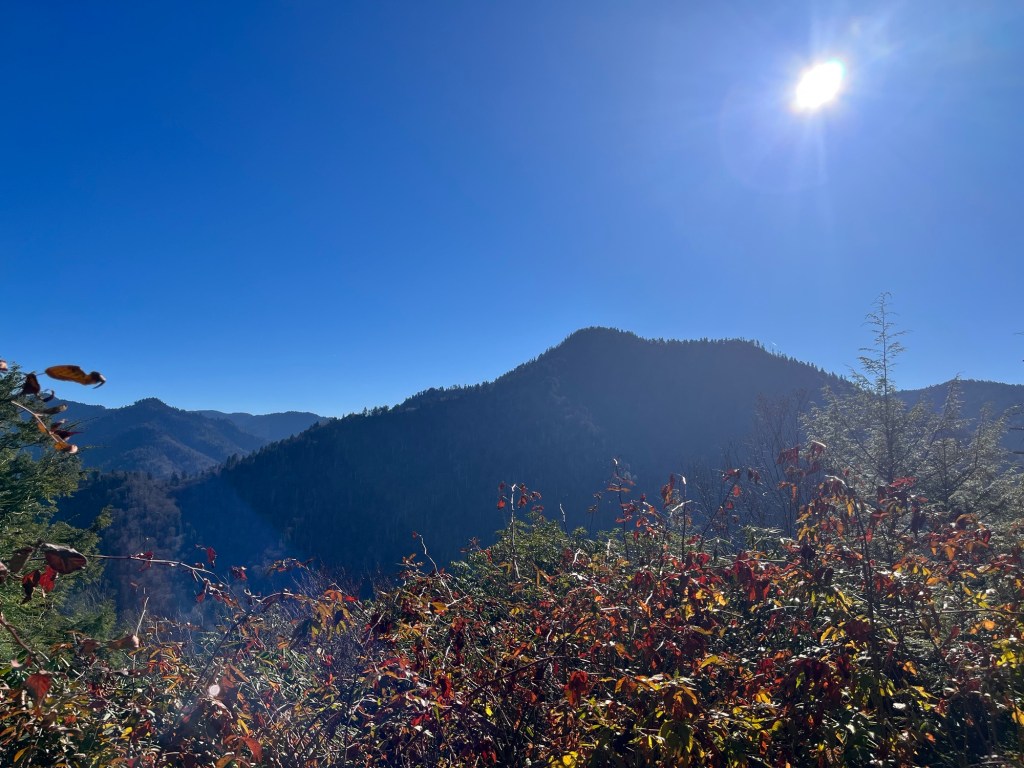
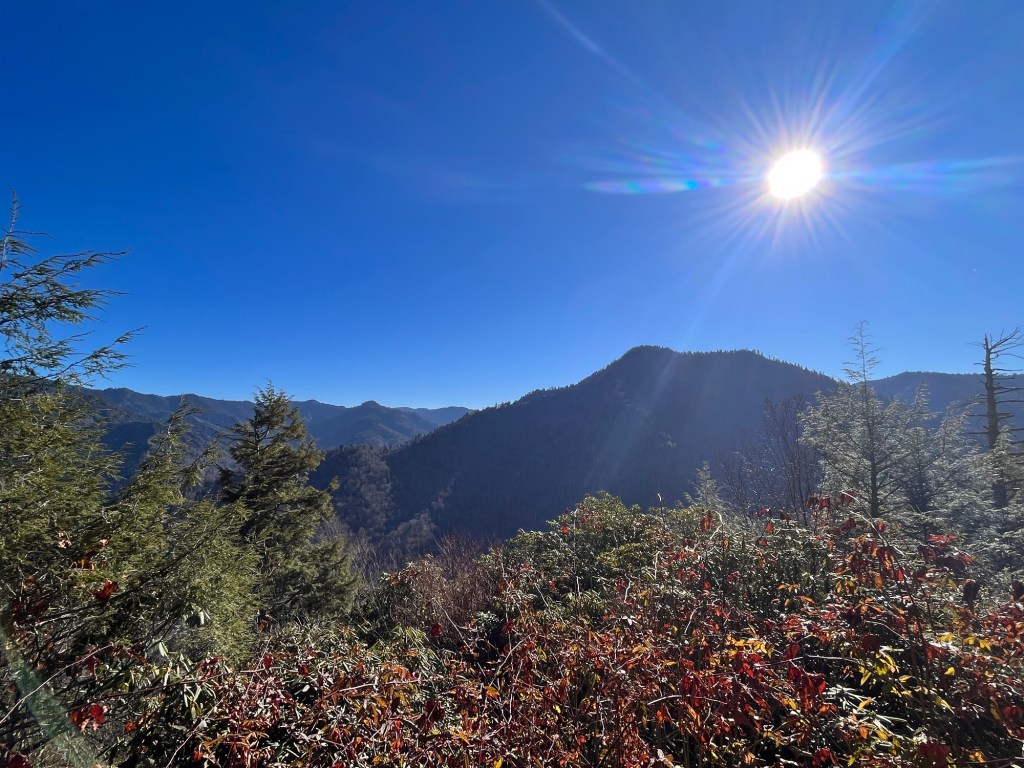
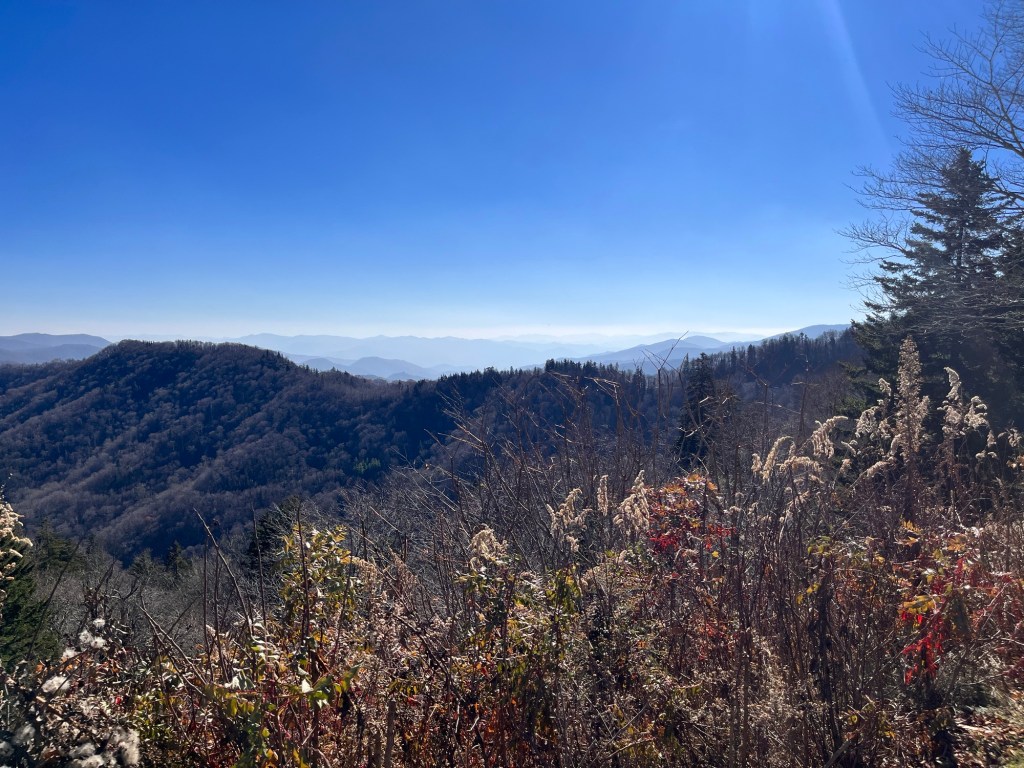
We saw the cerulean-like haze at the mountain tops, which appeared to be blue smoke to the eye. This is one of the main reasons they called it the “Smoky Mountains,” as it constantly looked like smoke was inhabiting the upper layers of the national park. It was a splendid view and somewhat haunting. One wrong climb could have claimed our lives, yet the ability to view such a scenery made the attempt worthy.
I will allow the pictures and video to conclude the rest of this summary. This blog was written late on purpose. Today’s date is March 11th, 2024, and another season of “On Locations” will begin in a few weeks.
See you in nature, and let’s be safe and enjoy another year of good hiking and sightseeing.
 KG Bethlehem